Website Layout Best Practices for Better User Experience and Conversions

Understanding Website Layout Best Practices

Before diving into techniques, it’s important to understand what website layout best practices actually mean. They refer to proven design principles used to structure web pages in a way that enhances usability, readability, and engagement.
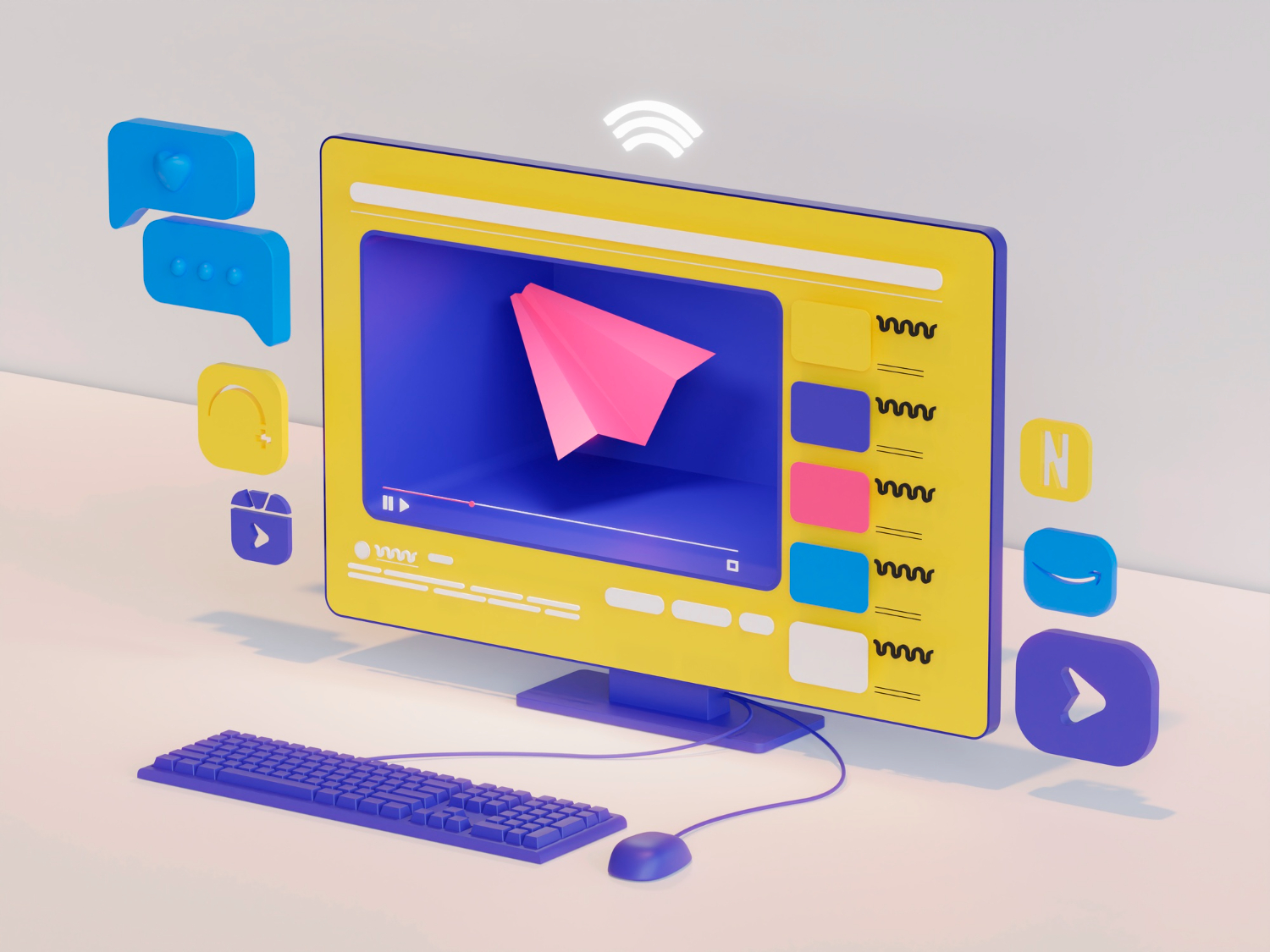
website layout best practices

    At Website Venus, we consider website layout best practices as the foundation of every successful website design project. A well-planned layout improves navigation, highlights important content, and reduces friction in the user journey.

    Why Website Layout Best Practices Matter

    Applying website layout best practices is not just about aesthetics. It directly impacts how users interact with your website.
    Here’s why it matters:

    • It improves first impressions within seconds
    • It reduces bounce rates
    • It increases time spent on site
    • It improves conversion rates
    • It strengthens brand trust
    At Website Venus, we ensure every project follows strict website layout best practices to maximize both UX and business performance.

    Website Layout Best Practices for Better User Experience

    Let’s explore the most effective website layout best practices for user experience that every modern website should follow.

    1. Keep the Layout Clean and Minimal

    One of the most important website design services in Atlanta layout best practices is simplicity. A cluttered layout confuses users and weakens your message.
    A clean layout should include:

    • Balanced white space
    • Simple navigation
    • Clear typography
    • Focused content sections
    At Website Venus, we always apply website layout best practices that prioritize clarity over complexity. Minimal design improves usability and keeps users focused on what matters.

    2. Create a Strong Visual Hierarchy

    Visual hierarchy is a core part of website layout best practices because it guides users through content in a structured way.
    To build effective hierarchy:

    • Use larger headings for important content
    • Highlight CTAs with contrasting colors
    • Place key messages above the fold
    • Use spacing to separate sections
    Strong visual hierarchy ensures users understand your content instantly, improving engagement and conversions.

    3. Ensure Mobile-Friendly Design

    In modern website layout best practices, mobile responsiveness is essential. Most users browse websites on mobile devices, so layouts must adapt seamlessly.
    A mobile-optimized layout should:

    • Adjust content to screen size
    • Maintain readability
    • Provide easy navigation
    • Keep buttons touch-friendly
    At Website Venus, mobile-first design is a standard part of our website layout best practices approach.

    4. Improve Navigation Structure

    Navigation plays a major role in website layout best practices for better UX. If users cannot find what they need quickly, they will leave.
    Effective navigation includes:

    • Simple menu structure
    • Logical page grouping
    • Sticky headers
    • Search functionality
    Clear navigation improves usability and supports higher conversion rates.

    5. Optimize Above-the-Fold Content

    One of the most impactful website layout best practices is optimizing the above-the-fold section.
    This area should include:

    • A strong headline
    • A clear value proposition
    • A visible CTA button
    • A relevant visual
    At Website Venus, we strategically design above-the-fold sections using website layout best practices to immediately capture attention and drive action.

    Website Layout Best Practices for Higher Conversions

    Now let’s focus on website layout best practices for conversions, which are essential for turning visitors into customers.

    6. Use Strategic CTA Placement

    Call-to-Actions (CTAs) are the backbone of conversion-focused design. One of the most effective website layout best practices is placing CTAs strategically throughout the page.
    Best practices for CTAs:

    • Place them above the fold
    • Add them after key content sections
    • Use action-oriented language
    • Make them visually stand out
    At Website Venus, we design CTAs using proven website layout best practices to maximize click-through rates.

    7. Focus on Fast Loading Speed

    Speed is a critical part of website layout best practices for conversions. Slow websites lead to higher bounce rates and lost revenue.
    To improve performance:

    • Compress images
    • Minimize unnecessary scripts
    • Use optimized coding
    • Enable caching
    A fast-loading website improves both UX and SEO performance.

    8. Use White Space Strategically

    White space is an essential element of website layout best practices. It improves readability and helps users focus on key elements.
    Benefits include:

    • Better content clarity
    • Improved design balance
    • Enhanced focus on CTAs
    • Reduced visual clutter
    At Website Venus, we carefully use white space as part of our website layout best practices to create elegant and high-converting designs.

    9. Maintain Consistent Design Elements

    Consistency is a key principle in website layout best practices. Inconsistent fonts, colors, or layouts reduce trust and professionalism.
    Ensure consistency in:

    • Typography
    • Button styles
    • Color schemes
    • Layout structure
    Consistency builds a strong brand identity, something we prioritize at Website Venus.

    10. Design Conversion-Focused Landing Pages

    Landing pages are critical for conversions, and following website layout best practices for landing pages is essential.
    A high-converting landing page includes:

    • A clear headline
    • Minimal distractions
    • Strong CTA
    • Trust elements like reviews
    At Website Venus, we design landing pages using advanced website layout best practices to maximize conversions.

    Website Layout Best Practices for SEO and UX Combined

    Modern websites must balance SEO and user experience. Fortunately, website layout best practices support both.
    SEO benefits include:

    • Improved user engagement
    • Lower bounce rates
    • Higher dwell time
    • Better mobile usability
    At Website Venus, we integrate website layout best practices with SEO strategies to create websites that perform well in search rankings and conversions.

Final Thoughts

Mastering website layout best practices is essential for any business that wants to succeed online. A well-structured website improves user experience, builds trust, and increases conversions.
At Website Venus, we specialize in applying advanced website layout best practices to design websites that are not only visually appealing but also performance-driven.
From clean layouts and mobile responsiveness to strategic CTAs and fast loading speeds, every element matters. If your goal is to grow your online presence, start by implementing these website layout best practices with a professional approach.
A well-designed layout is not just design—it is strategy, experience, and conversion combined.


We use cookies to improve your experience. Read our Privacy Policy.